

Diamond Engagement Rings
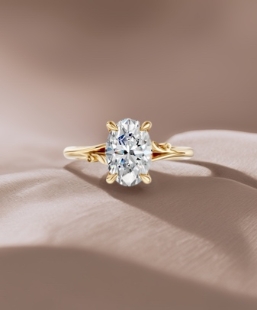
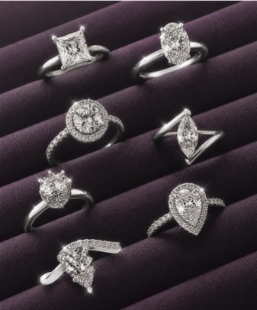
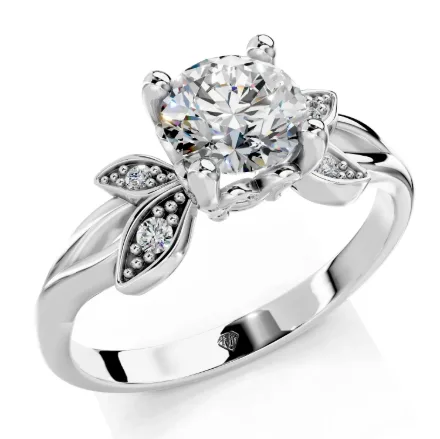
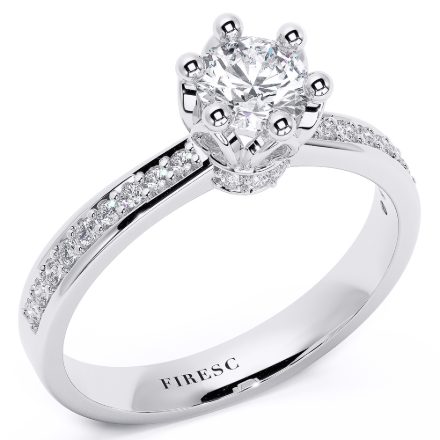
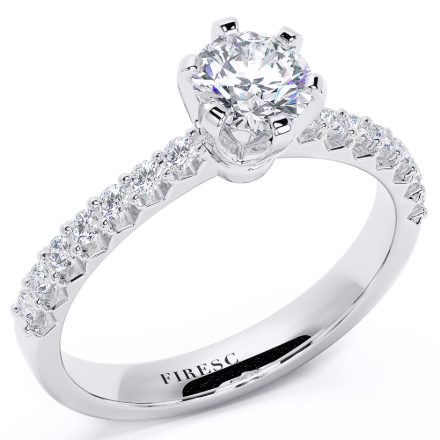
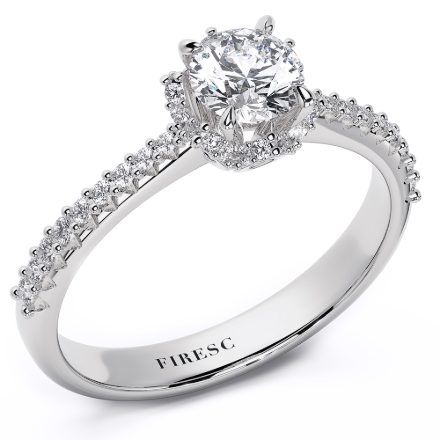
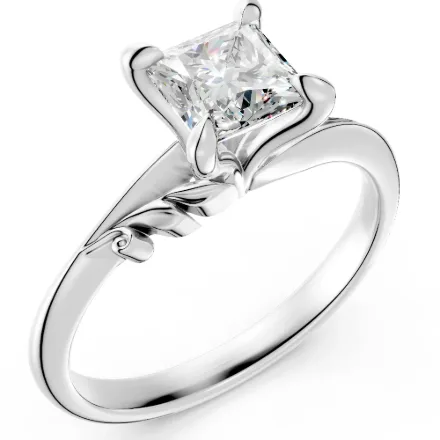
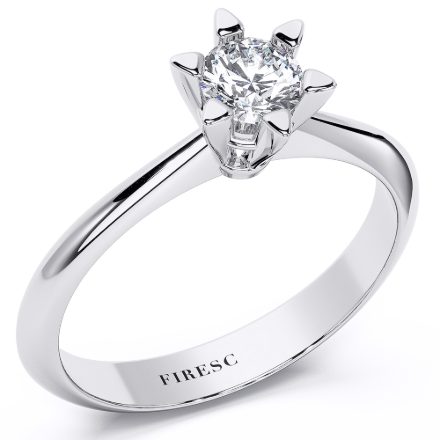
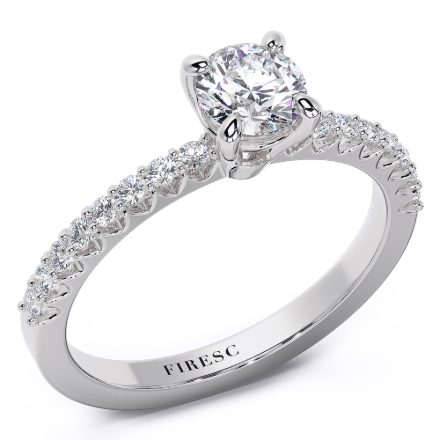
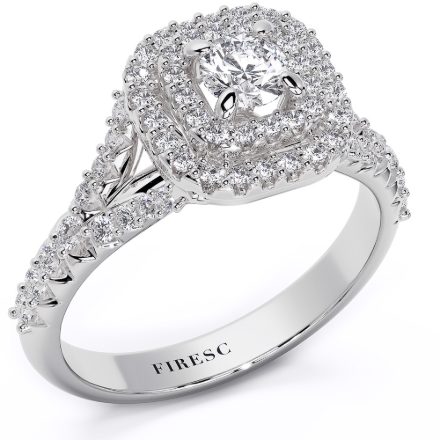
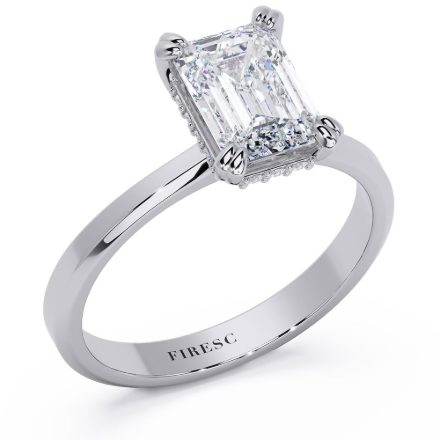
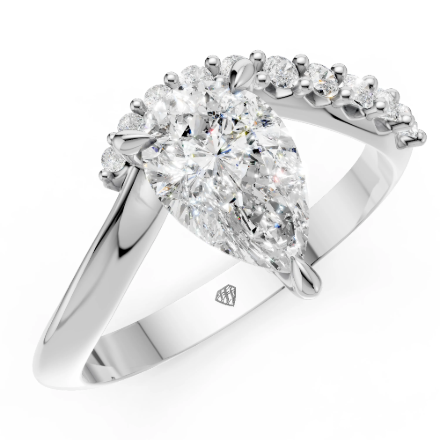
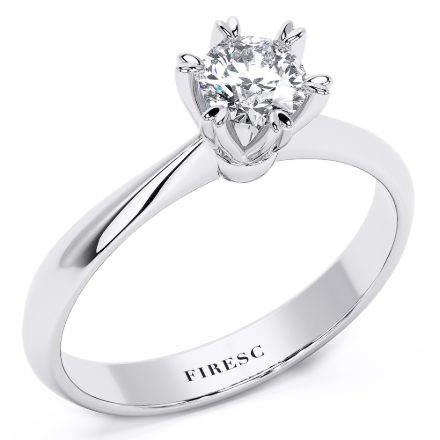
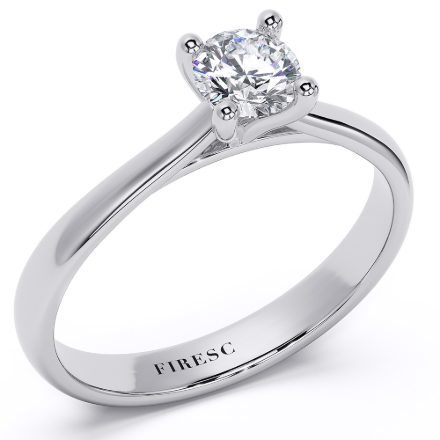
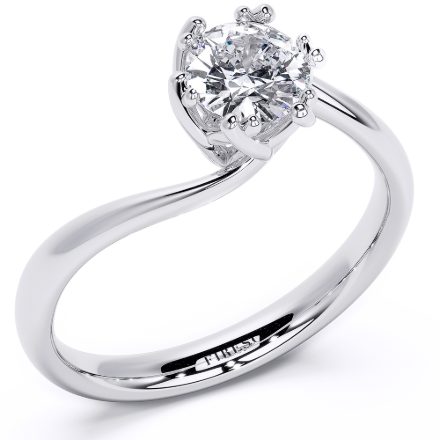
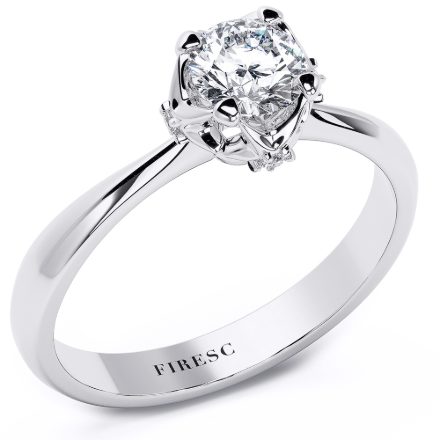
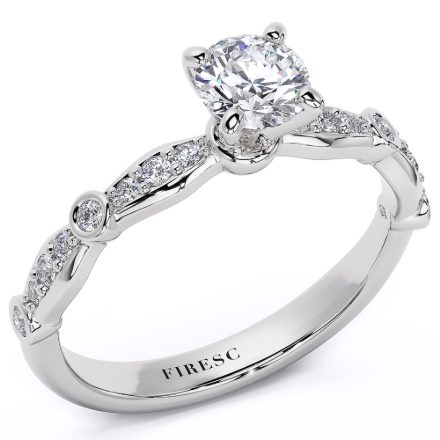
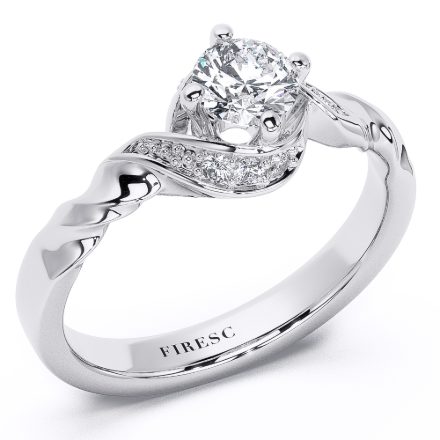
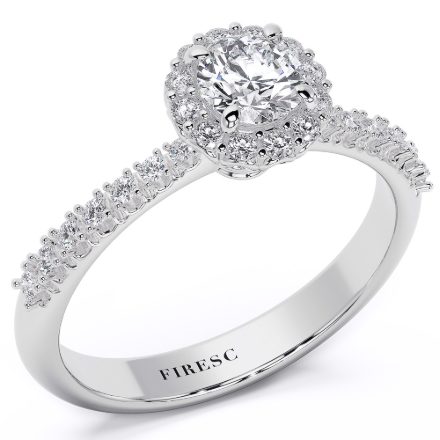
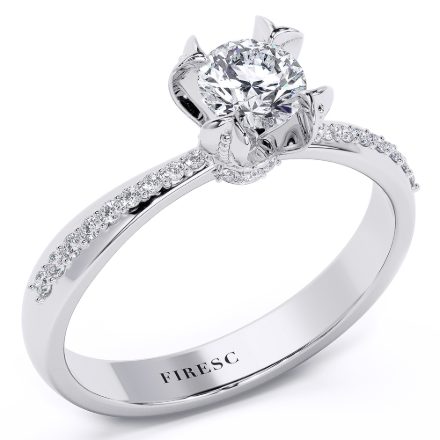
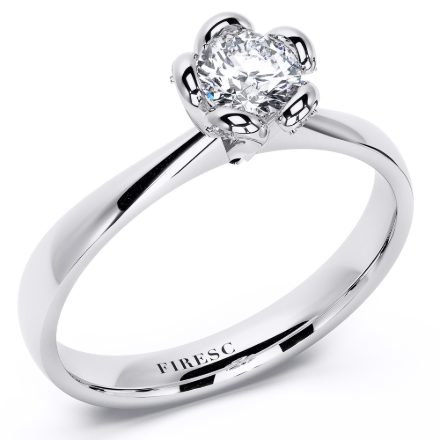
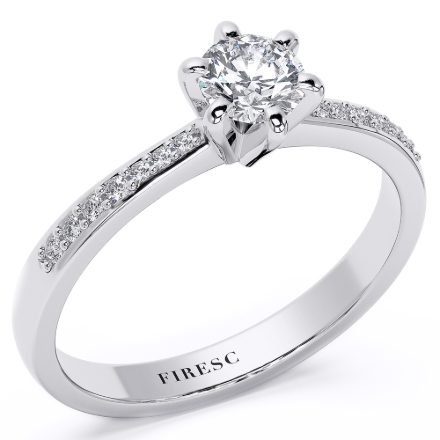
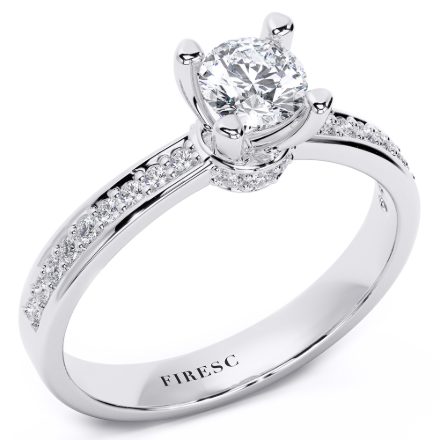
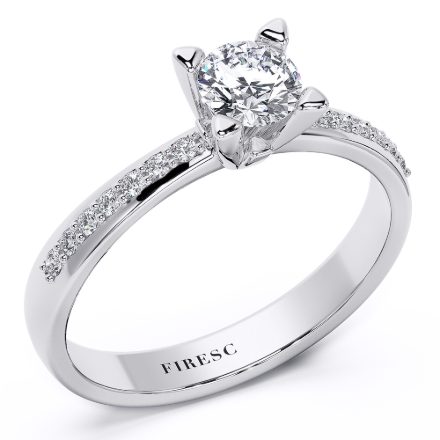
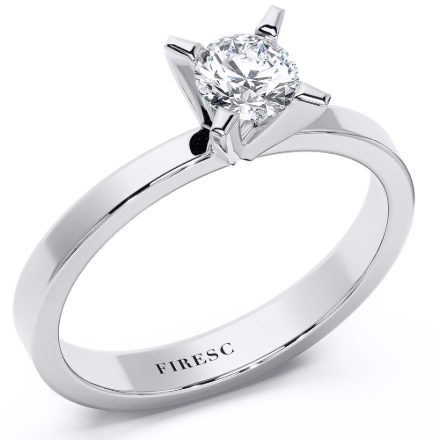
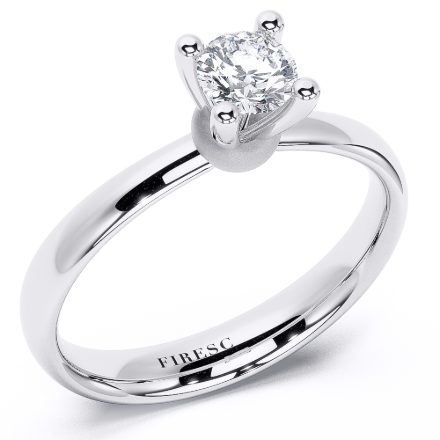
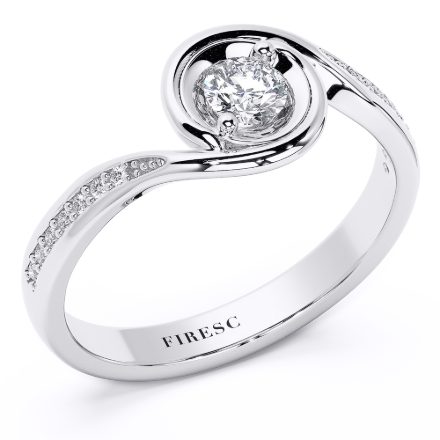
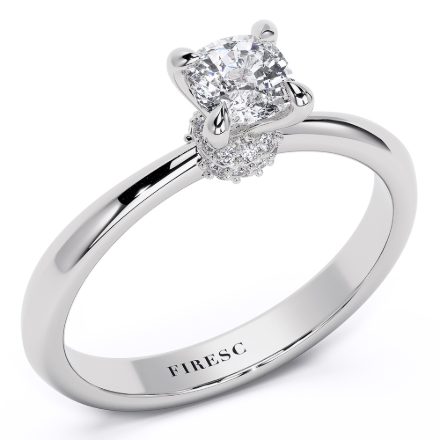
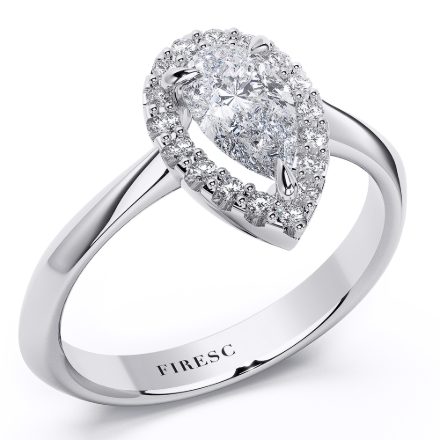
Explore diamond engagement rings featuring natural or lab-grown diamonds, crafted in 14K gold, 18K gold or platinum. Choose a solitaire, halo, pave or side-stone design, then configure the shape and characteristics of the center diamond. The diamonds are internationally certified, and the ring size can be adjusted free of charge within the first 15 days. The price shown in the product listing is the price of the setting; the cost of the center diamond is added in the configurator.
- MetalColor
- CentralStoneShape
- Metal
Filter by price
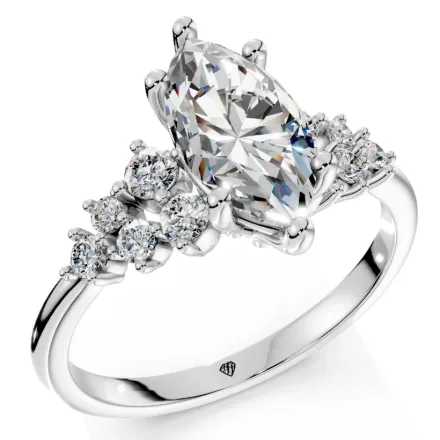
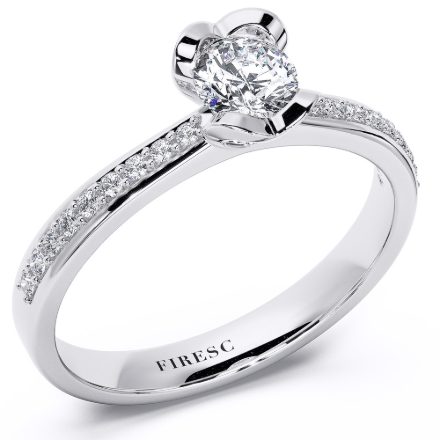
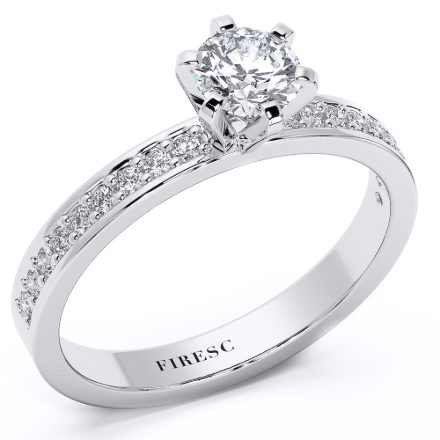
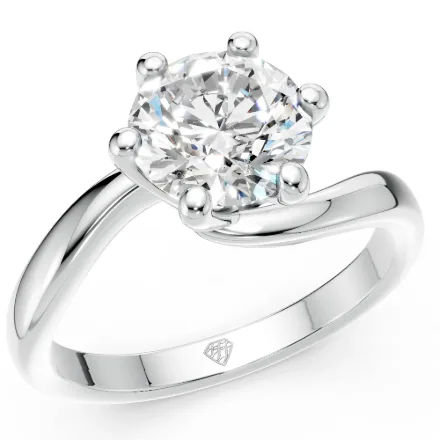
Buying Guide
Choosing the right engagement ring starts with three decisions: the style of the ring, the metal and the center diamond. Consider the jewelry your partner already wears, whether they prefer a classic or contemporary design, and which metal color they wear most often.
After choosing the setting, you can select the center diamond according to its shape, carat weight, cut, color and clarity. There is no single combination that is right for everyone - the ideal ring is the one that balances personal style, visual appearance and budget.
With the FIRESC configurator, the setting and center diamond can be selected separately, allowing you to compare different combinations before making the final choice.
Natural and lab-grown diamonds have the same fundamental chemical composition and crystal structure, but they have different origins.
Natural diamonds formed underground over geological periods, while lab-grown diamonds are produced in controlled laboratory environments using technology that recreates the conditions in which diamonds form.
The main differences for the buyer are origin, rarity and price. A lab-grown diamond will generally allow you to select a larger stone or higher specifications within the same budget, while a natural diamond is valued in part for its natural origin and rarity.
Both options can be evaluated according to the same important characteristics, including cut, color, clarity and carat weight.
Cut describes how well the diamond's proportions and facets interact with light. For many buyers, cut has the greatest impact on brilliance and sparkle.
Color evaluates how colorless a white diamond appears. Diamonds closer to colorless grades are generally rarer.
Clarity describes the presence of internal characteristics, known as inclusions, and external characteristics, known as blemishes. Many inclusions are difficult or impossible to see without magnification.
Carat weight measures the weight of the diamond rather than its visible diameter. Two diamonds with the same carat weight can appear different in size depending on their shape and proportions.
The best diamond is not necessarily the one with the highest grade in every category. A balanced combination of the 4Cs can often provide better visual results for a given budget.
The choice between 14K gold, 18K gold and platinum depends on appearance, durability, gold content and budget.
14K gold contains a lower percentage of pure gold and a higher proportion of alloying metals. This generally makes it more resistant to everyday wear and usually more affordable than 18K gold.
18K gold contains a higher proportion of pure gold and is often preferred by customers looking for a higher gold content and a more premium jewelry composition.
Platinum is naturally white, dense and highly suitable for fine jewelry. It is usually positioned at a higher price point than gold.
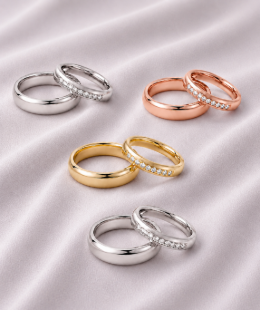
White, yellow and rose gold can also significantly change the visual character of the same engagement ring design.
The setting determines much of the overall appearance of an engagement ring.
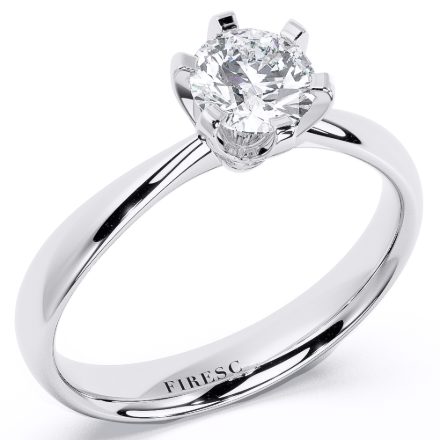
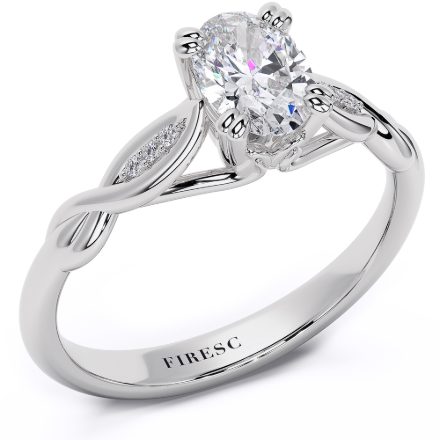
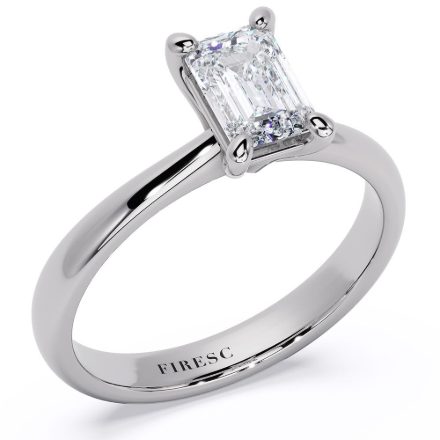
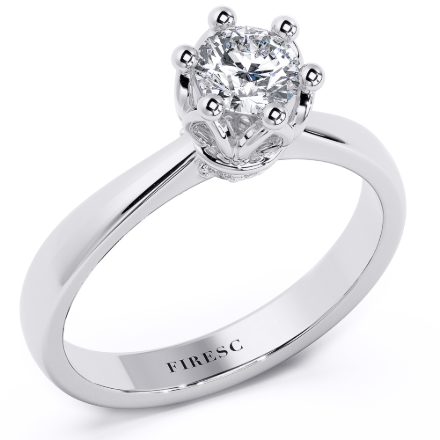
A solitaire places the visual focus entirely on one center diamond and is one of the most timeless engagement ring designs.
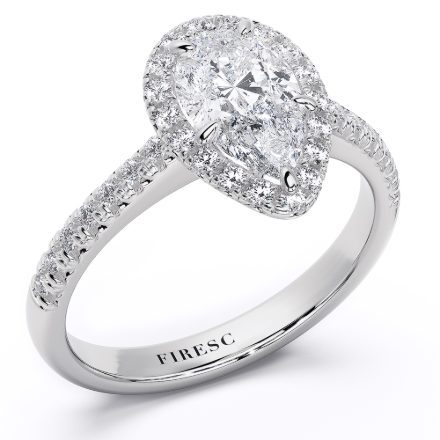
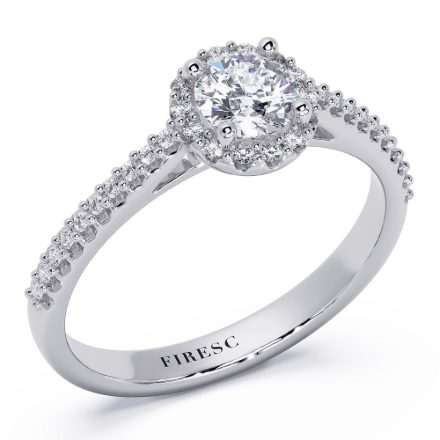
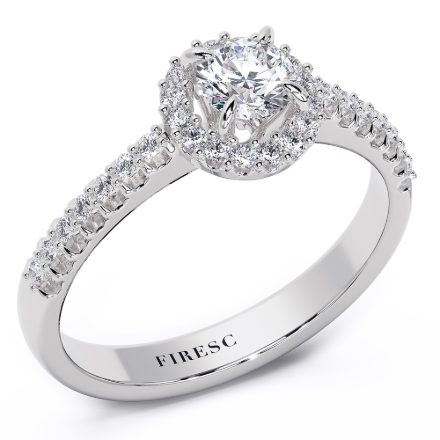
A halo surrounds the center diamond with smaller stones, creating additional brilliance and making the center area appear visually larger.
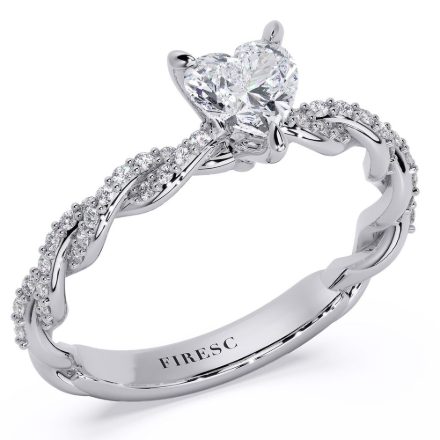
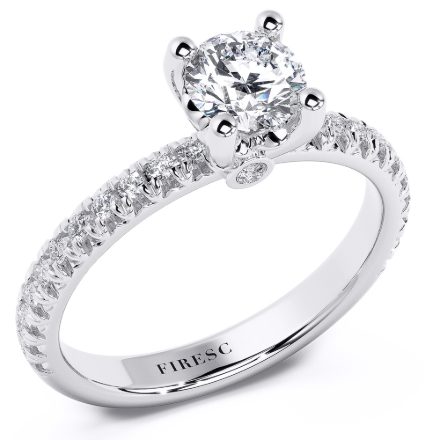
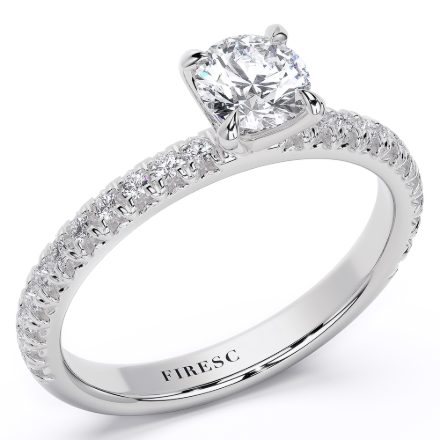
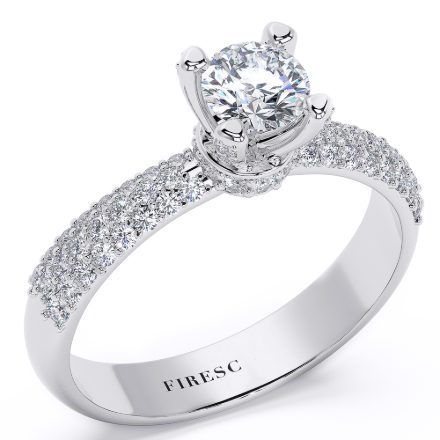
A pavé design uses small diamonds set along the band, adding sparkle without taking attention away from the center stone.
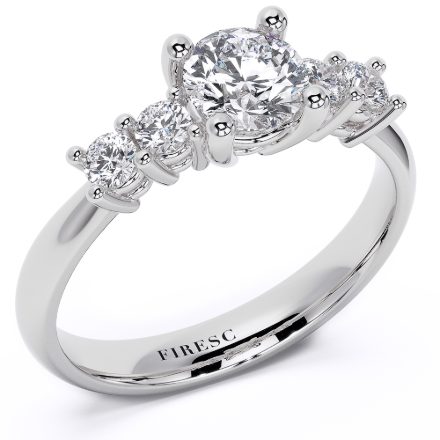
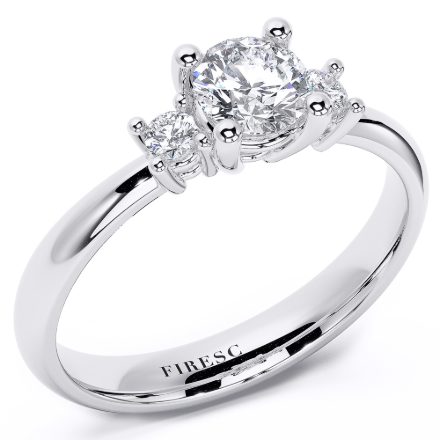
A three-stone design combines a center diamond with two side stones and creates a more substantial appearance across the finger.
The best choice depends primarily on personal style. If you are unsure, looking at the type of jewelry the recipient already wears can provide a useful indication.
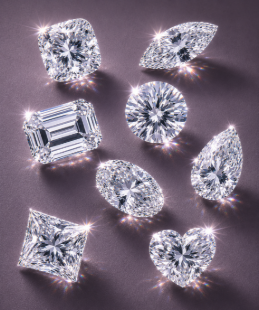
Diamond shape is primarily a matter of personal preference and has a major influence on the personality of the finished ring.
The round brilliant is the classic choice and is designed to maximize brilliance.
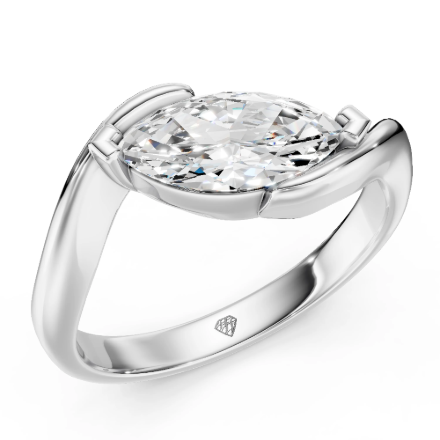
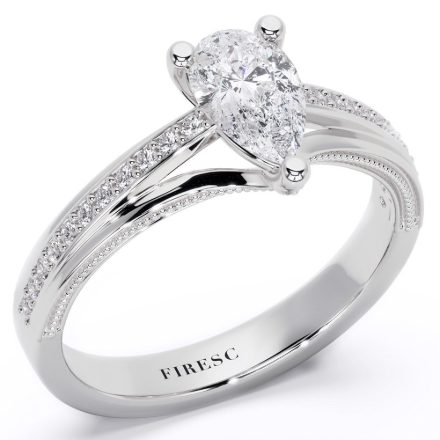
Oval, pear and marquise shapes create a more elongated appearance and can visually lengthen the finger.
Emerald and asscher cuts have a more architectural appearance, with broad facets and a distinctive play of light.
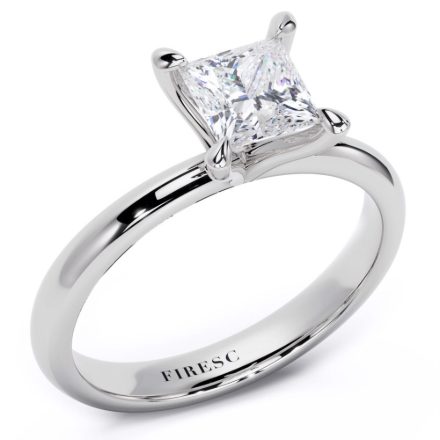
Princess, cushion and radiant shapes provide alternatives for customers who want something different from the traditional round diamond.
When comparing shapes, consider not only carat weight but also the actual dimensions of the diamond, as different shapes can have very different visual sizes at the same weight.
There is no fixed amount that should be spent on an engagement ring. A better approach is to define a comfortable total budget and decide how much of it should be allocated to the setting and how much to the center diamond.
At FIRESC, the price displayed in the engagement ring product listing represents the setting price. The center diamond is selected separately in the configurator and its price is added to the setting.
The final price can therefore vary significantly depending on the selected metal and the characteristics of the center diamond.
If you want to optimize the budget, compare several combinations of carat weight, cut, color and clarity instead of focusing on only one characteristic.
The most reliable way to determine ring size is to measure a ring that already fits the intended finger or to have the finger measured professionally.
Finger size can vary slightly throughout the day and can also be affected by temperature, so the ring should be comfortable without being excessively loose.
If the engagement is intended to be a surprise and you do not know the exact size, an existing ring worn on the same finger can provide a useful reference.
FIRESC offers free ring-size adjustment within the first 15 days, subject to the applicable resizing conditions.
A gemological certificate provides an independent assessment of the characteristics of an individual diamond.
Depending on the diamond, the report can include information such as carat weight, measurements, color, clarity, cut characteristics, polish, symmetry and fluorescence.
Certified diamonds are identified by an individual report number. For diamonds with a laser inscription, the report number or another identifying reference can also be microscopically inscribed on the girdle of the diamond.
When selecting a diamond through FIRESC, the corresponding certification information should be reviewed together with the characteristics of the stone rather than relying on carat weight alone.
An engagement ring is usually configured specifically for the customer, so production and delivery times can depend on the selected ring, metal, diamond and any additional customization.
Before ordering, customers should review the estimated production and delivery period as well as the applicable return conditions.
If the ring size is not correct, FIRESC offers free resizing within the first 15 days, subject to the conditions applicable to the selected ring.
For maintenance, resizing or other after-sales requirements, customers can contact the FIRESC team for assistance.
Frequently Asked Questions
The final price of a diamond engagement ring depends on the setting, the selected metal and the center diamond. The diamond price varies according to whether it is natural or lab-grown and according to its cut, color, clarity and carat weight. At FIRESC, you can select the setting first and then choose a center diamond that matches your preferences and budget.
No. The price displayed in the product listing represents the price of the ring setting. The price of the selected center diamond is added during configuration, and the complete price is shown before the order is placed.
Natural diamonds are formed in the Earth over geological periods, while lab-grown diamonds are created in controlled laboratory conditions. Both are diamonds and have the same fundamental chemical and crystal structure. Lab-grown diamonds generally allow buyers to choose a larger or higher-specification stone for the same budget.
There is no single ideal carat weight. The right choice depends on your budget, the diamond shape, the ring design and the size of the wearer's hand and finger. A well-cut smaller diamond can also appear more impressive than a larger diamond with less suitable proportions.
14K white gold contains a lower proportion of pure gold and is generally more resistant to everyday wear, while 18K white gold contains more pure gold and is often chosen for its higher gold content. Both are suitable for engagement rings. The best choice depends on your priorities regarding durability, budget and gold content.
Production usually takes 3-10 business days, depending on the selected model, diamond and customization options. Delivery time also depends on the destination. The estimated delivery date is confirmed after the final ring configuration is selected.
The selected diamond is accompanied by the gemological certificate specified for that stone. The certificate identifies the diamond and provides information about characteristics such as carat weight, color, clarity and cut. Where applicable, the certificate number can also be verified with the issuing gemological laboratory.
If the selected ring size is not correct, FIRESC offers a free size adjustment within the first 15 days. Contact the FIRESC team to arrange the resizing of the ring.
Key elements of the ring can be customized depending on the selected design, including the metal, metal color, center diamond, diamond shape and ring size. For additional modifications or a completely bespoke design, please contact the FIRESC team to discuss the available options.
Yes. You can visit a FIRESC showroom to discuss your engagement ring, inspect available diamonds and review the corresponding certification with a FIRESC specialist. We recommend contacting the showroom in advance if you would like to inspect a specific diamond, to check if that specific diamond is available or not in the showroom.


